Research suggests that anywhere from 62-93% of musicians will develop a performance-related injury during their life.
Many musicians who experience pain first seek out medical care, physical therapy, or other forms of treatment, and while these can help, they rarely address the system as a whole.
The result is a frustrating cycle: jumping from provider to provider, finding temporary relief, and often ending up discharged from care but still limited in practice, performance, and unsure how to move forward.
This gap between clinical care and return to performance is where many musicians spend years navigating.
This is why The Functional Musician exists.
The Functional Musician takes a whole-body, movement-based approach that goes beyond treating isolated symptoms. Rather than managing pain between flare-ups, the focus is on understanding how breathing, movement, posture, and physical capacity interact.
From there, a personalized movement strategy is built that translates directly into practice, performance, and long-term career sustainability, built out through three movement tracks that meet you wherever that gap currently sits.
The Gap
Training Programs
Wherever you are in your journey, there's a starting point made for you.

Track 1:
Active Recovery and Downregulation
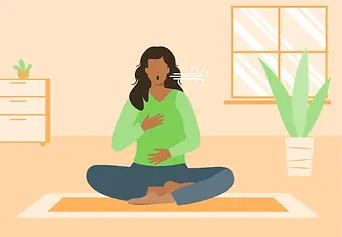
Active Recovery and Downregulation teaches you to actively downregulate, not just rest, through breathing drills, soft-tissue work, joint mobilizations, and positional resets that help your body recover faster between practice, rehearsals, performances, and the stress of daily life.
Best for musicians who:
-
Deal with chronic tightness, tension, or a history of overuse injuries
-
Want an active toolbox to manage stress and prevent flare-ups, instead of just resting through them
-
Are curious about how their nervous system affects their playing and want to work with it directly

Track 2:
Somatic & Movement-Based Training
For musicians who already value The Alexander Technique, Feldenkrais, or similar modalities, this track layers in a biomechanics and movement lens, building on that foundation through positional drills, energy transfer, and breathing-based exploration.
Best for musicians who:
-
Have prior experience with somatic practices and want to go deeper
-
Want to play with less tightness and effort through an exploratory, hands-on approach
-
Are looking to integrate movement awareness into a daily practice

Track 3:
Fitness and Capacity Training
The most complete track from a health and wellness standpoint, blending aerobic conditioning, endurance & strength training, mobility, and recovery into one system built around the demands of your instrument, life, and goals.
Best for musicians who:
-
Are ready to train, or already have a strength/fitness background
-
Want a long-term strategy to build endurance and extend their performance career
-
Need a body that holds up under touring and high-demand seasons

The Breath Reset: 7 Days of Exercises, Education, and Tools Built for Musicians
Seven days of short daily emails, each one with education, research, and an exercise tied to the lesson of the day.

About Austin
Austin Pancner is the founder of The Functional Musician and a professional bass trombonist who has performed with the Cincinnati, Detroit, Atlanta, and Indianapolis Symphony Orchestras.
He holds a Doctor of Musical Arts from Indiana University's Jacobs School of Music, where his research focused on musician health and injury prevention.
This work started with his own injury, a shoulder problem that turned into a three-year cycle of pain that greatly affected his ability to play. Getting certified in personal training and corrective exercise as a side project shifted his perspective, and within six months he was playing pain-free for the first time in years. This shift launched his focus on movement, biomechanics, and rehabilitation.
Today Austin works with musicians internationally in person and virtually, from conservatory students to principal players in major orchestras, while continuing to teach, perform, and deliver workshops at various colleges and festivals across the country. His approach bridges clinical care and high-performance training, stressing that the body is not separate from your playing but what makes your playing possible.


"Even a musician without current pain would have so much to gain in learning the skills in this program."
Matt Gordon
Euphonium, US Navy Fleet Bands